
Exploring Banff National Park: A Traveler’s Guide
Nestled in the heart of the Canadian Rockies, Banff National Park is a breathtaking natural wonder that draws travelers from around the globe. Established in 1885, it is Canada’s oldest national park and a UNESCO World Heritage Site, renowned for its stunning landscapes, diverse wildlife, and a wealth of outdoor activities. Whether you’re an avid adventurer, a photography enthusiast, or someone looking to unwind in nature, Banff offers something for everyone. In this article, we’ll explore the park’s highlights, activities, and tips for making the most of your visit.
Stunning Landscapes
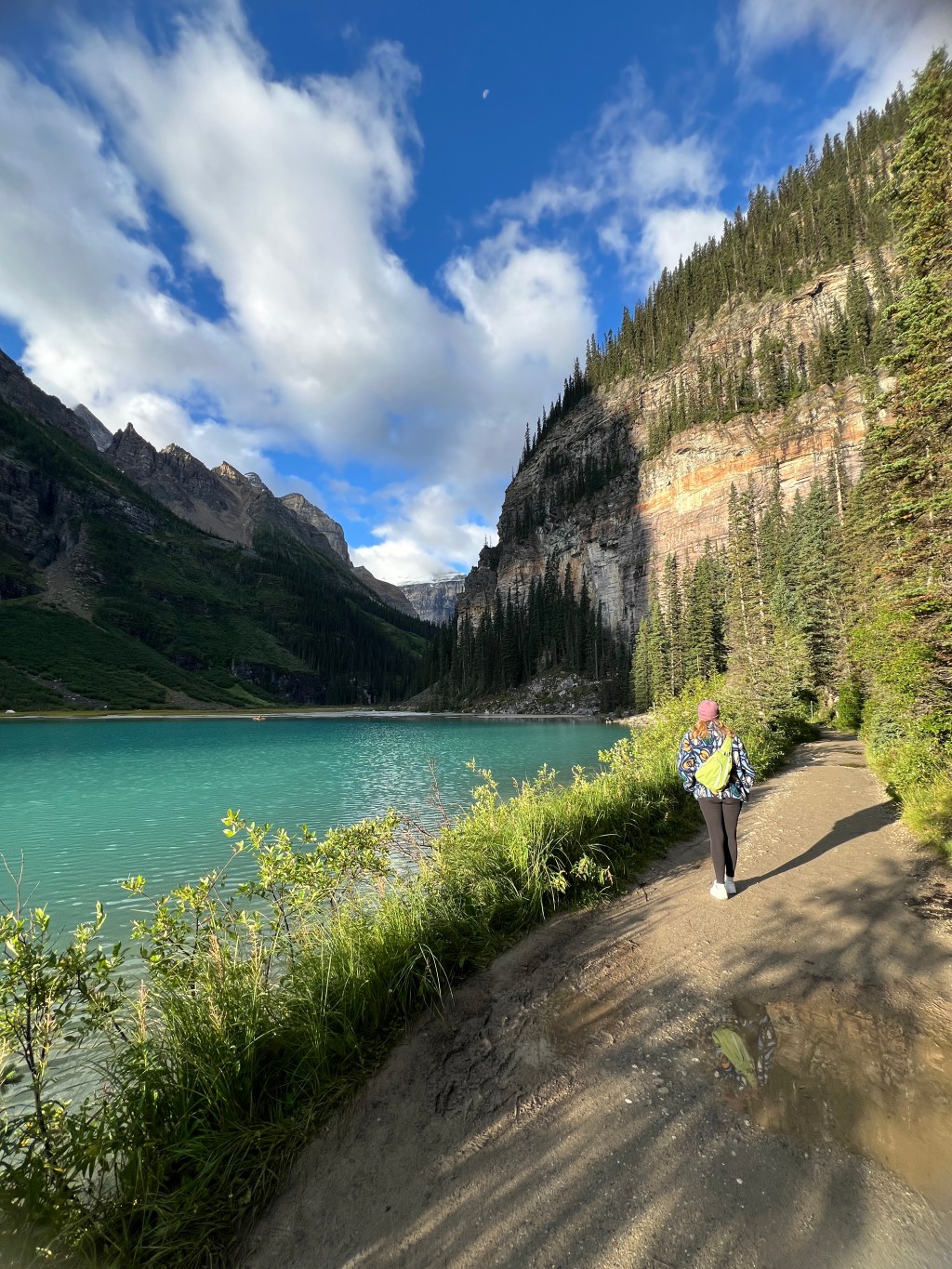
Banff National Park is characterized by its dramatic scenery, featuring towering mountains, turquoise lakes, and lush forests. One of the most iconic sights in the park is Lake Louise, famous for its striking emerald waters framed by rugged peaks. A stroll along the lakeshore provides an opportunity to take in the breathtaking views, while the nearby Lake Agnes Tea House offers a charming stop for refreshments after a hike.
Another must-see destination is Moraine Lake, often cited as one of the most photographed spots in Canada. The vibrant blue color of the lake, surrounded by the Valley of the Ten Peaks, creates a postcard-perfect backdrop. Sunrise or sunset visits are particularly magical, as the soft light enhances the lake’s colors and casts a warm glow on the surrounding mountains.
Outdoor Activities
The park is a paradise for outdoor enthusiasts, offering an array of activities year-round. In summer, hiking trails abound, catering to all skill levels. The Plain of Six Glaciers trail is a popular choice for those seeking stunning views of glaciers and waterfalls, while the more challenging hike to Mount Cory rewards adventurers with panoramic vistas of the surrounding valleys.
For those looking to experience Banff from a different perspective, consider renting a bike and exploring the numerous cycling trails. The Legacy Trail, which connects Banff and Canmore, offers a scenic ride through beautiful landscapes.
As winter blankets the park in snow, skiing and snowboarding become the main attractions. The Banff Ski Resort and nearby Lake Louise Ski Resort are renowned for their excellent slopes and facilities. If you prefer a more tranquil winter experience, snowshoeing and cross-country skiing provide a fantastic way to explore the snowy wilderness.
Wildlife Viewing
Banff National Park is home to an incredible variety of wildlife, including elk, deer, bighorn sheep, and even the elusive grizzly bear. Early morning or late evening are the best times for wildlife viewing, particularly along the Bow Valley Parkway. Keep your distance and observe wildlife respectfully, ensuring both your safety and the animals’ well-being.
In addition to terrestrial wildlife, the park’s lakes and rivers are teeming with aquatic life. Birdwatchers will also find plenty to delight in, with over 200 species of birds inhabiting the area, including the majestic bald eagle.
Cultural Experiences
Beyond its natural beauty, Banff National Park offers rich cultural experiences. The town of Banff itself is a charming blend of history and modernity, with boutiques, restaurants, and galleries that showcase local art and culture. A visit to the Banff Park Museum provides insights into the region’s history, wildlife, and geology, while the Whyte Museum of the Canadian Rockies explores the art and culture of the mountain communities.
During the summer months, the park hosts various events and festivals, such as the Banff Mountain Film and Book Festival, which celebrates adventure and outdoor culture. Attending these events can enrich your understanding of the region and connect you with fellow travelers.
Practical Tips for Travelers
1. Best Time to Visit: The ideal time to visit Banff National Park depends on your preferred activities. Summer (June to September) is perfect for hiking, biking, and wildlife viewing, while winter (December to March) offers skiing and snowboarding opportunities. Spring and fall can also be beautiful, with fewer crowds and changing foliage.
2. Accommodations: Banff offers a range of accommodation options, from luxury hotels to cozy lodges and campgrounds. Booking in advance, especially during peak seasons, is recommended to secure your preferred lodging.
3. Transportation: While Banff is accessible by car, consider using public transportation or the Roam transit system to explore the town and surrounding areas without the hassle of parking. Guided tours are also available for those who prefer to have a local expert show them around.
4. Park Pass: Don’t forget to purchase a national park pass upon entering Banff National Park. This pass helps support park maintenance and conservation efforts.
5. Leave No Trace: To preserve the beauty of Banff, practice Leave No Trace principles. Stay on marked trails, pack out what you bring in, and respect wildlife and their habitats.
6. Altitude Awareness: Banff is situated at a high altitude, so it’s essential to stay hydrated and take it easy if you’re not accustomed to the elevation.
Conclusion
Banff National Park is a remarkable destination that offers a wealth of experiences for travelers of all kinds. From its breathtaking landscapes and abundant outdoor activities to its rich cultural offerings, Banff promises an adventure that will leave you with lasting memories. Whether you’re seeking thrills in the great outdoors or a peaceful retreat in nature, this stunning national park is sure to inspire your wanderlust and rejuvenate your spirit. Prepare for an unforgettable journey in one of Canada’s most cherished natural treasures!
Ready to book a trip to a National Park? Contact Wanderland Travel today!

 Wanderland Travel